

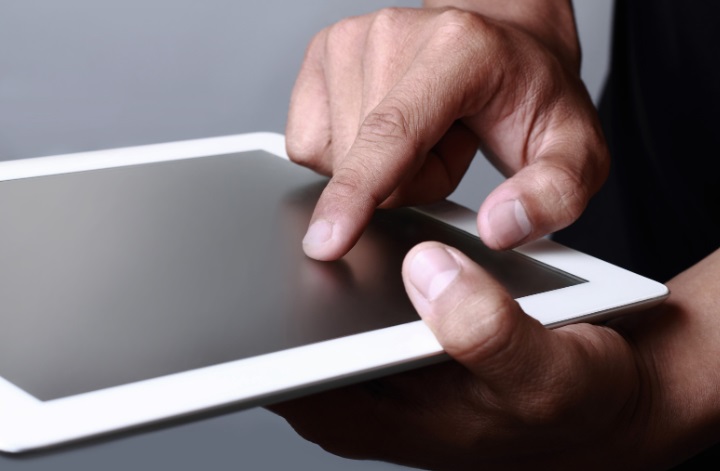
A non-functional laptop touchpad can be frustrating, especially if you rely on it as your primary input device. Whether your pointer is frozen, clicks aren’t registering, or the entire pad seems dead, touchpad issues are more common than you might think. Fortunately, many of these problems are easy to fix. In this blog post, we’ll walk you through the most common causes of touchpad malfunctions and how to troubleshoot them effectively.
1. Accidental Disabling
One of the most overlooked causes is that the touchpad might simply be disabled. Many laptops have a function key (like Fn + F6 or Fn + F9) that toggles the touchpad on or off.
Fix:
Press the relevant key combination or go to your system settings to re-enable the touchpad. In Windows, go to Settings > Devices > Touchpad and ensure it’s turned on.
2. Driver Issues
Outdated or corrupted drivers can cause the touchpad to stop working properly. This can happen after a system update or driver conflict.
Fix:
- Open Device Manager (Right-click Start > Device Manager).
- Expand “Mice and other pointing devices.”
- Right-click your touchpad and select Update driver or Uninstall device (then restart your system; it will reinstall automatically).
3. Touchpad Settings Misconfigured
Sometimes, touchpad gestures or sensitivity settings might be misconfigured, causing unexpected behavior like delayed response or unregistered taps.
Fix:
Head to your touchpad settings (in Windows or macOS) and review configurations like tap-to-click, sensitivity, and gesture settings. Resetting to default can also help.
4. External Mouse Conflict
Connecting an external mouse may automatically disable the touchpad in some laptop models.
Fix:
Disconnect the external mouse and restart your laptop. If the touchpad starts working again, go to settings and disable the option that turns off the touchpad when a mouse is connected.
5. Hardware Issues
If none of the above steps work, the issue may be hardware-related—such as a loose internal cable, water damage, or a worn-out touchpad sensor.
Fix:
In such cases, it’s best to consult a professional technician for inspection and repair. DIY disassembly is not recommended unless you're experienced.
Final Thoughts
Touchpad problems are annoying, but most can be solved with basic troubleshooting. If your touchpad still isn’t responding after trying these fixes, professional help is the safest route. Keeping your device clean and software updated can prevent many of these issues in the future.